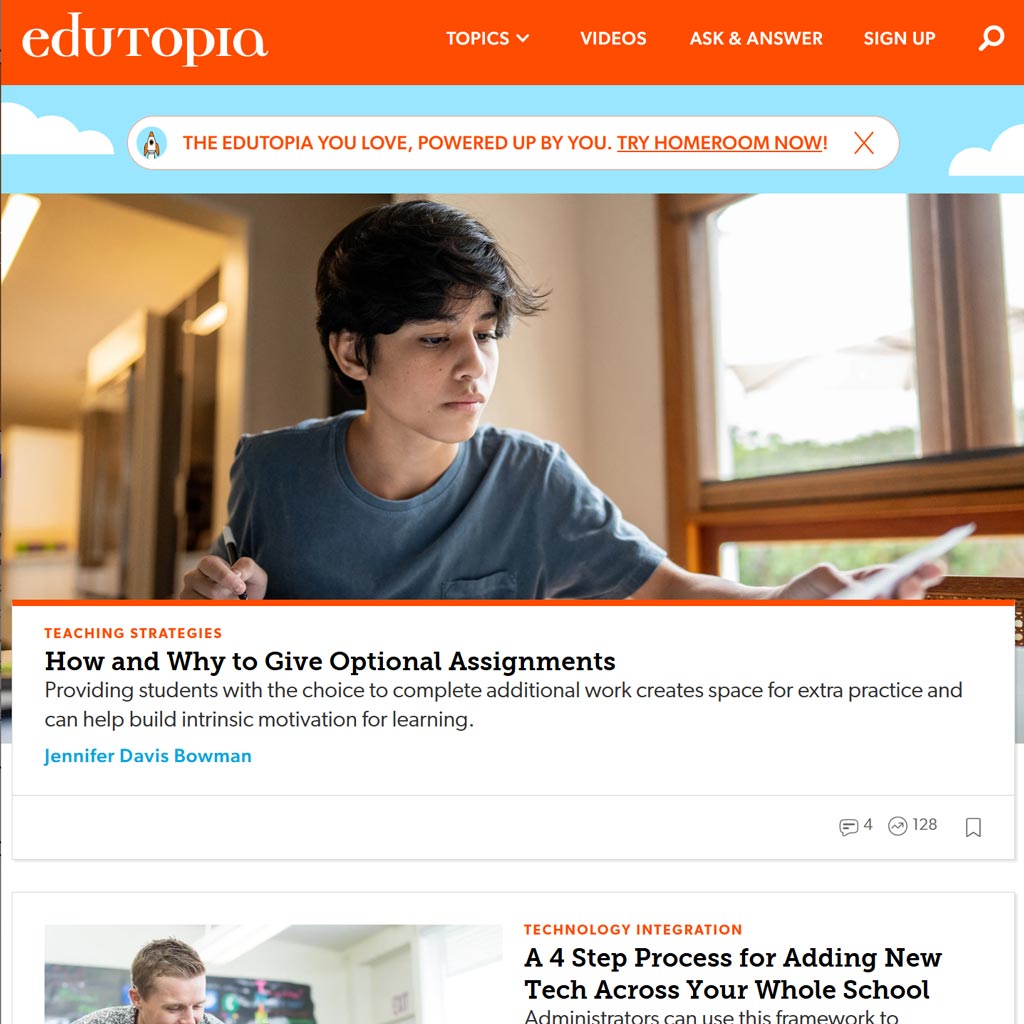
Edutopia - What Works in Education
Edutopia offers articles, videos, and research-based strategies for improving classroom instruction across all grade levels and content areas. Teachers can explore topics such as project-based learning, culturally responsive teaching, and social-emotional learning. This site is particularly helpful for finding practical, classroom-tested ideas that support diverse learners.
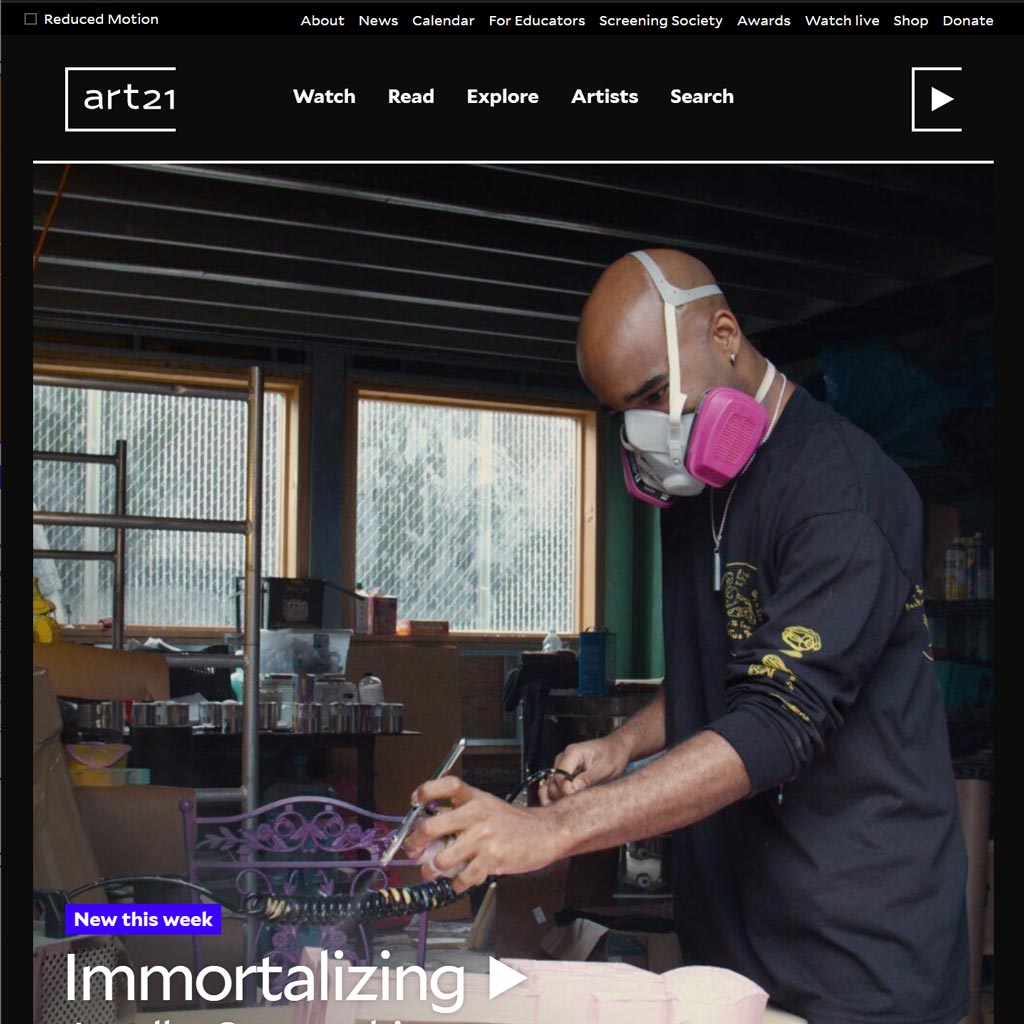
The mission of Art21 is to educate and expand access to contemporary art through the production of documentary films, resources, and public programs.
Art21 features contemporary artists through documentaries, interviews, and educator materials that highlight how artists think, work, and respond to the world. Teachers can use the videos and guides to connect students to real-world artistic practices and encourage deeper art analysis. This site helps bridge classroom artmaking with the broader contemporary art world.
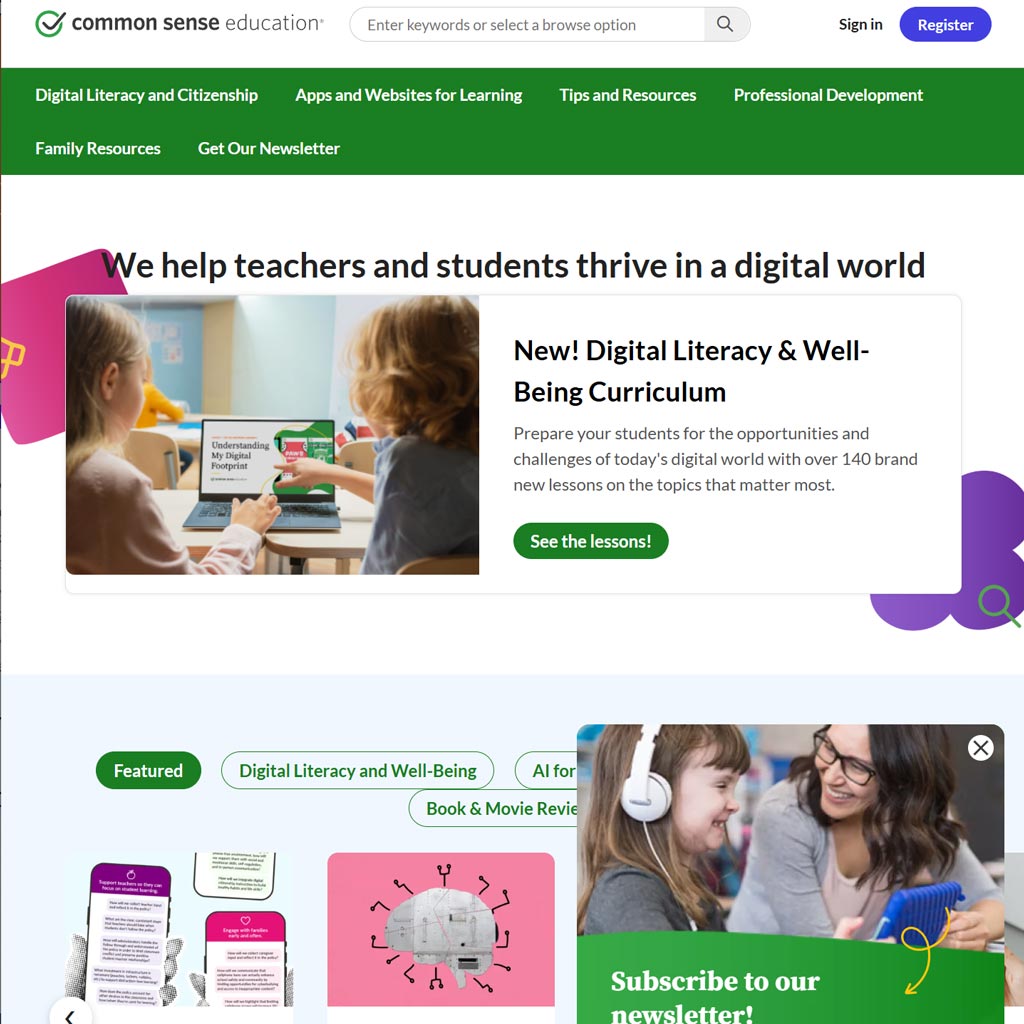
Common Sense is the nation's leading nonprofit organization working to make the digital world healthier, safer, accessible, and engaging for kids and families.
Common Sense Education reviews digital tools and curriculum materials to help teachers integrate technology effectively and safely. Their database includes tech tool evaluations, digital citizenship lessons, and classroom-ready guides. This site supports teachers in selecting high-quality, student-friendly technologies that align with instructional goals.
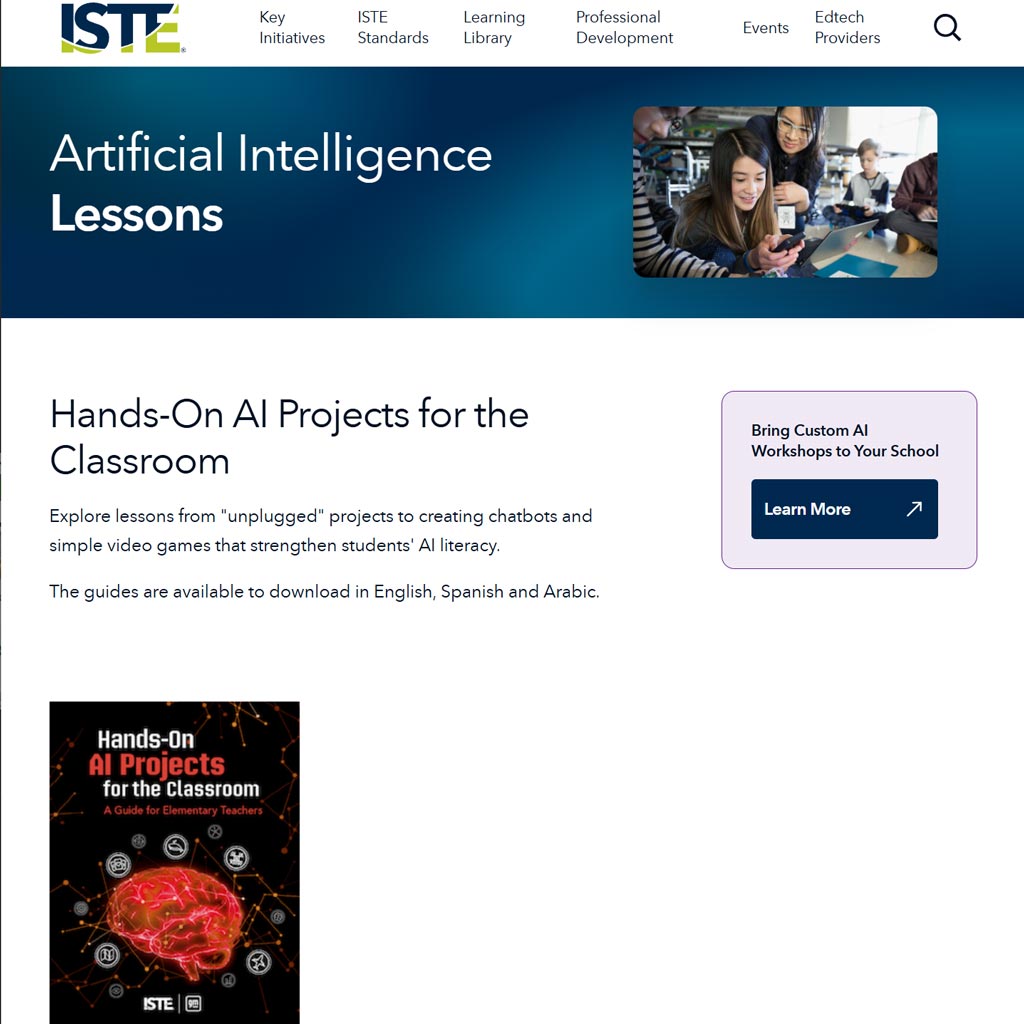
The International Society for Technology in Education (ISTE) is a nonprofit organization that helps educators use technology to revolutionize learning.
ISTE offers standards, articles, webinars, and professional development that help educators integrate technology in transformative ways. The site emphasizes innovation, digital learning frameworks, and research-based approaches to technology use. It is a valuable resource for teachers looking to deepen their understanding of computational thinking and digital instruction.
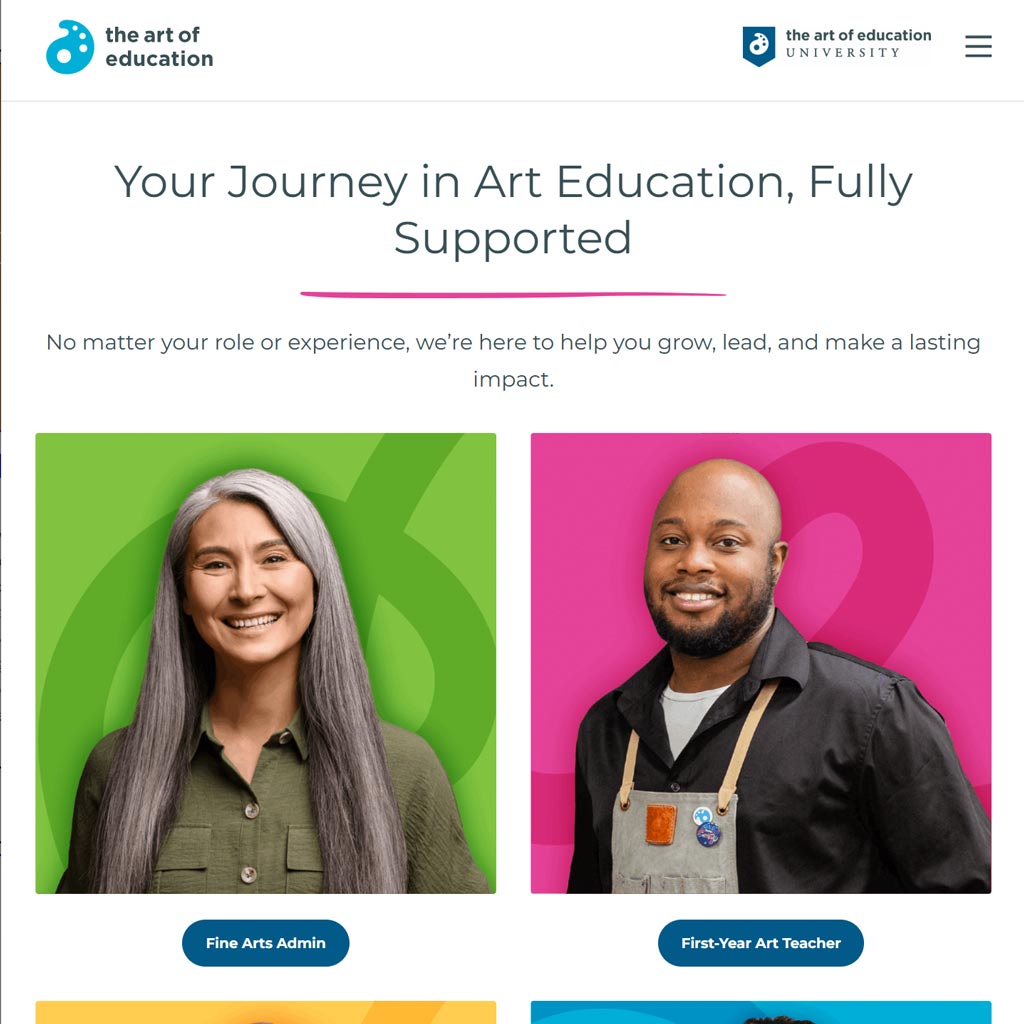
We're Art Teachers at Heart
At The Art of Education, we're former art teachers and lifelong creatives who believe in the power of art, and the people who teach it.
We know the challenges you face, because we've lived them. That's why we've built curriculum, PD, events, and community with one purpose: to support art teachers and help students thrive.
This isn't just what we do. It's who we are.
AOEU provides lesson plans, instructional strategies, and professional development specifically designed for art teachers. The site includes resources on ceramics, classroom management, assessment, and equitable art education practices. It is especially useful for teachers looking to enrich their curriculum with both traditional and contemporary art-making techniques.
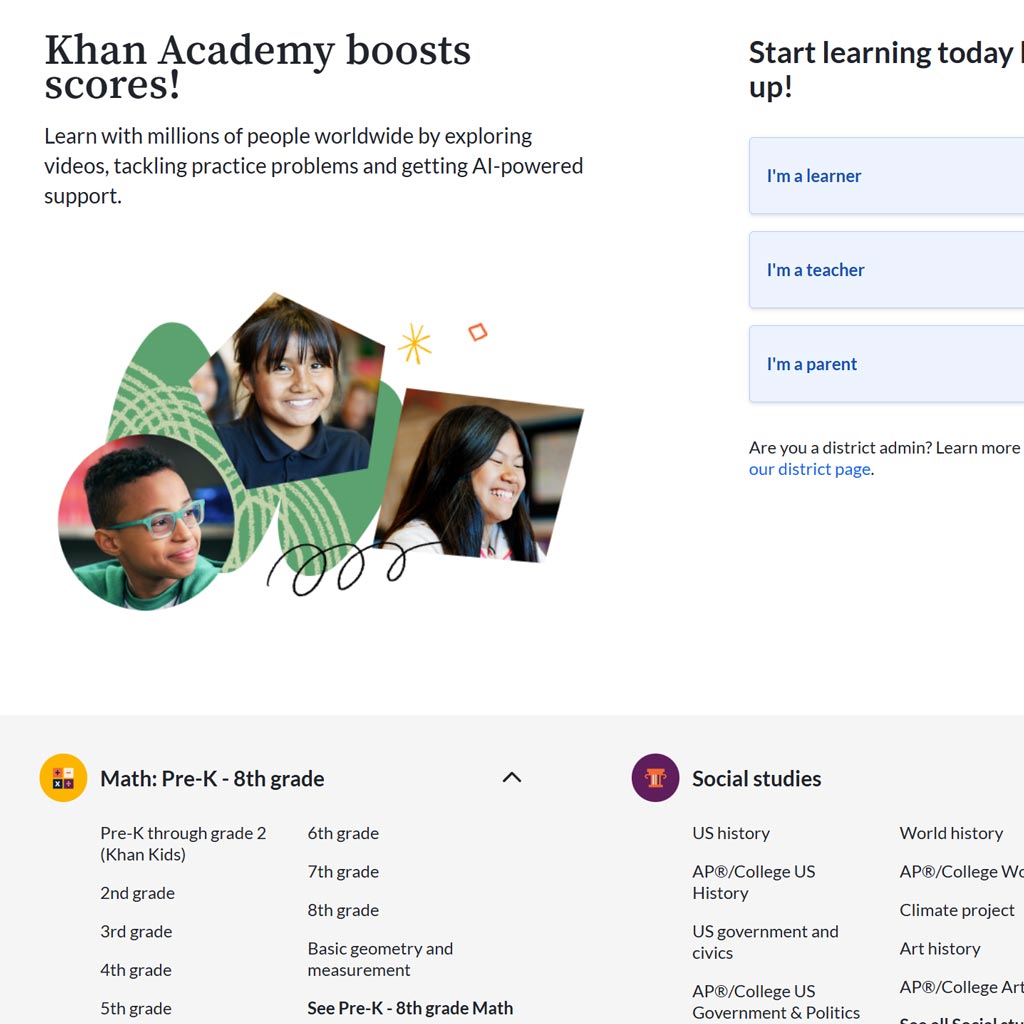
Khan Academy provides free, self-paced lessons in a wide range of academic subjects, including math, science, humanities, and computing. Students can watch short instructional videos, complete practice exercises, and track their progress over time. The platform supports differentiated learning and is particularly helpful for students who need additional reinforcement outside of class.
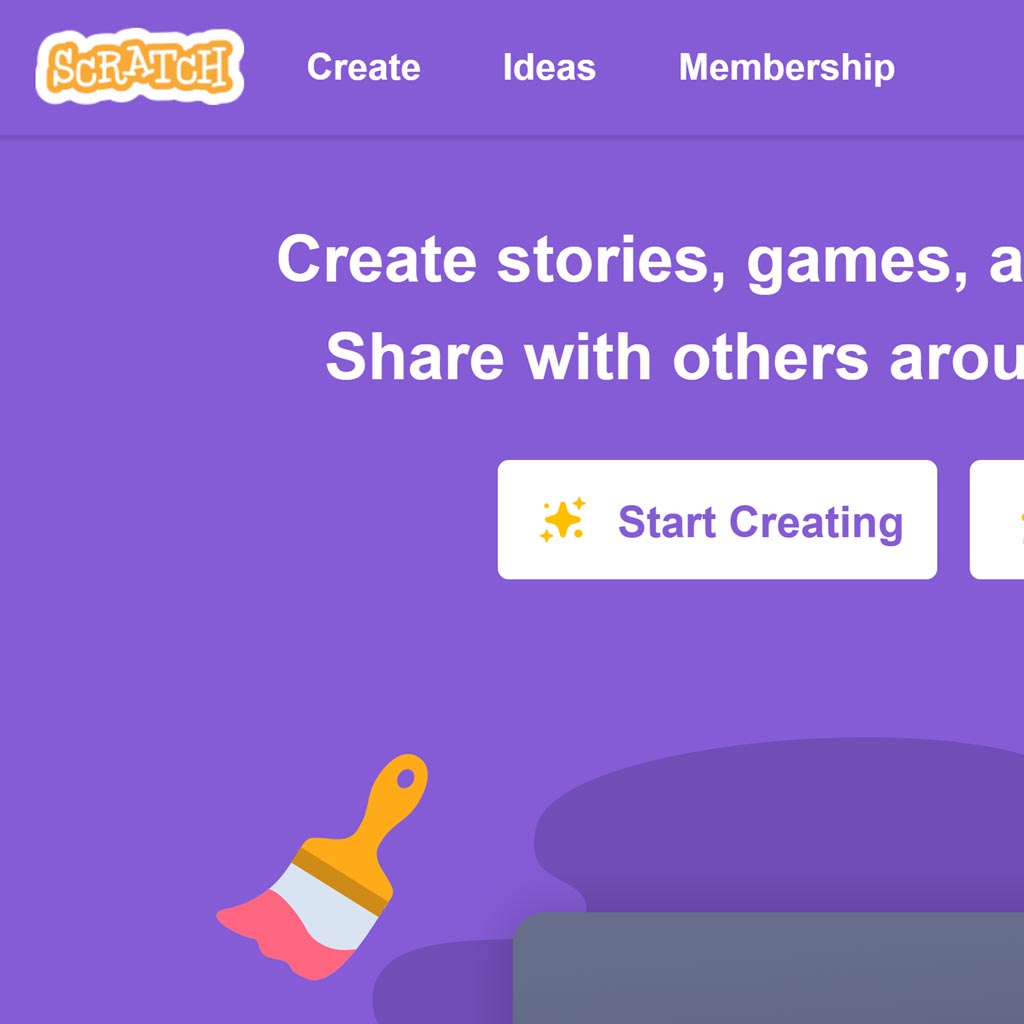
Scratch is a beginner-friendly coding platform where students can create animations, games, and interactive stories. Its drag-and-drop interface helps students learn sequencing, logic, and computational thinking through creativity. This resource works well for students exploring coding for the first time or building confidence with technology.
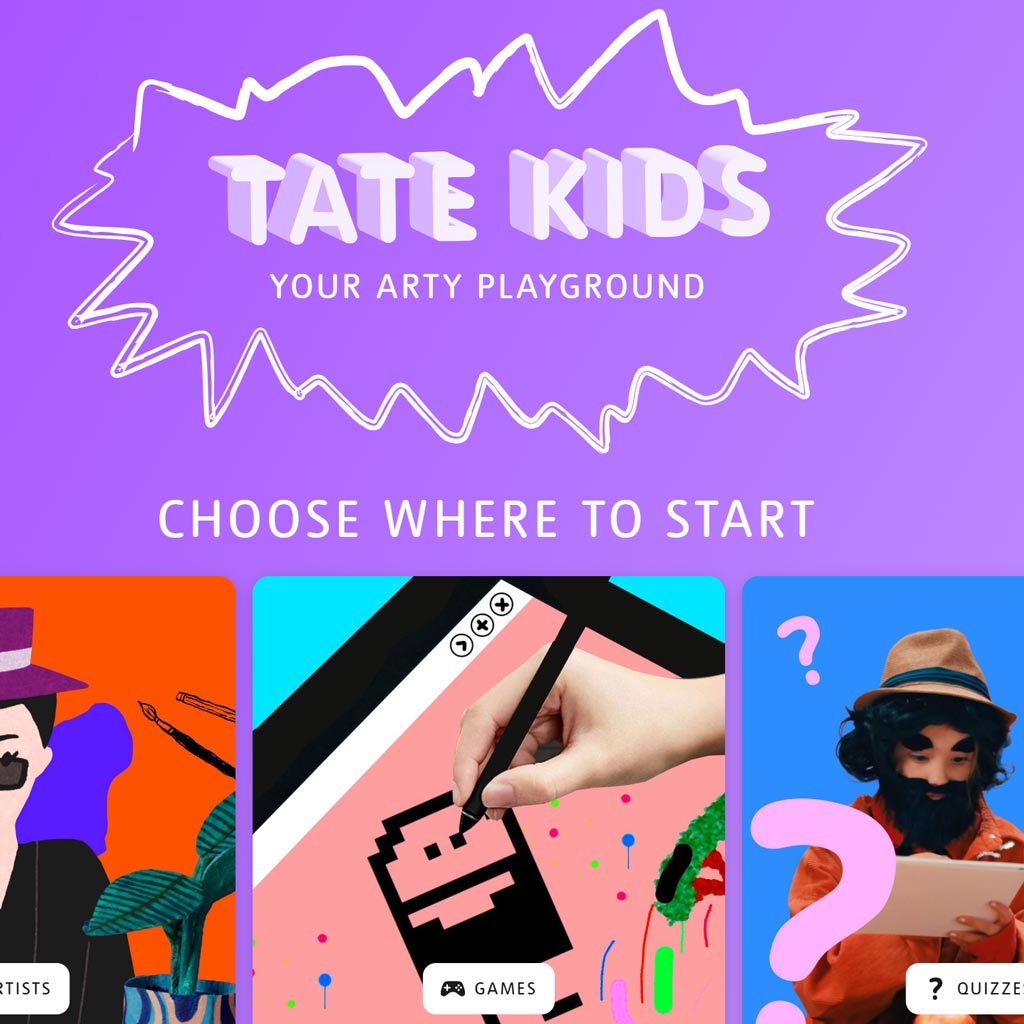
Tate Kids is an interactive art website designed to help students explore famous artworks, learn about artists, and experiment with creative digital activities. The site includes kid-friendly videos, art games, and step-by-step project ideas that make art history accessible and engaging. This resource is especially valuable for students who may not have access to museums, offering them a fun and culturally rich introduction to the wider art world.
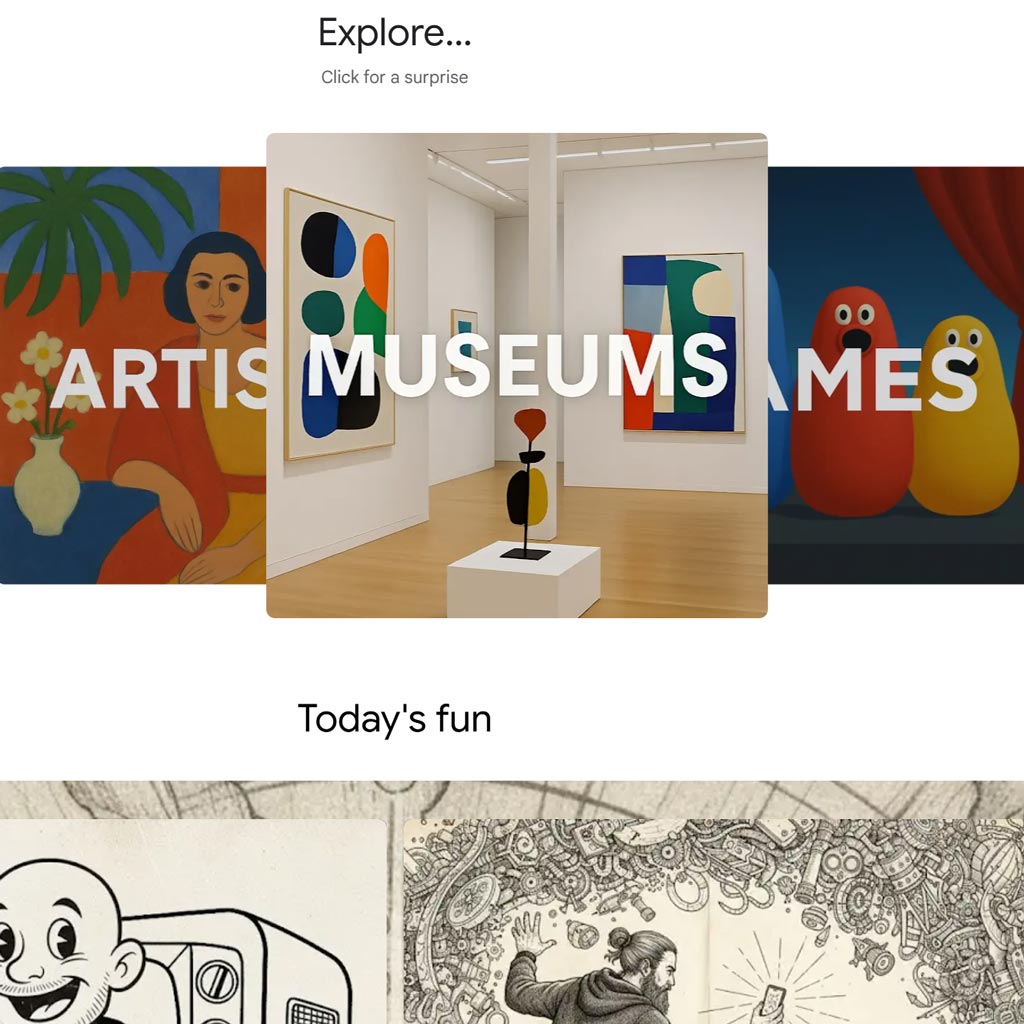
Google Arts & Culture offers virtual museum tours, high-resolution artworks, artist biographies, and cultural exhibits from around the world. Students can explore art, history, and global cultures through immersive technology. This resource broadens students' exposure to the arts; especially important for students who may not have access to museums.
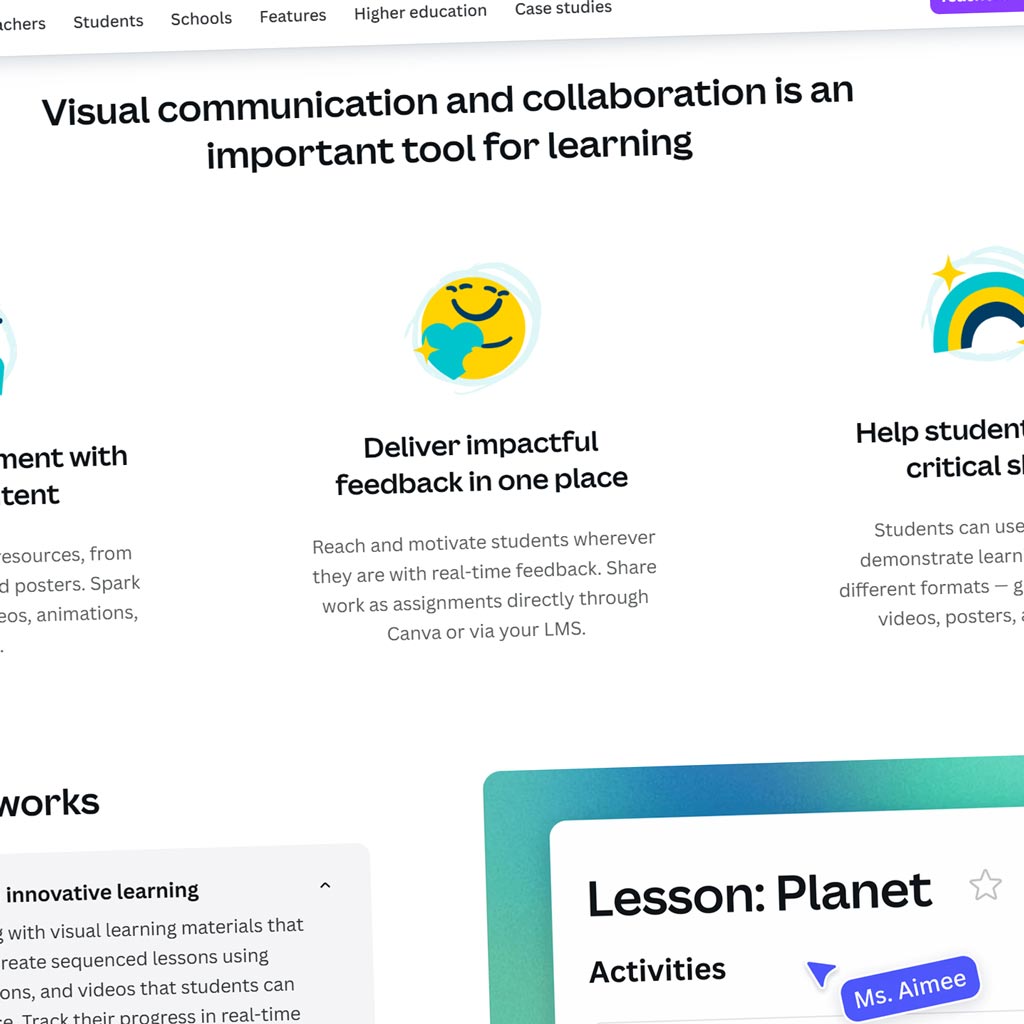
Canva allows students to design posters, presentations, infographics, and digital portfolios using templates and drag-and-drop tools. It gives students the ability to visually communicate ideas, which is especially beneficial for art classes and project-based learning. The education version also includes collaboration features that support group projects.